A difficult wound.
A clearer way
forward.
When a diabetic foot wound isn’t healing, understanding your options matters. Start with clear information, then take your questions to your care team.
Understand your optionsPrepare for your treatment discussion
A new or changing wound needs prompt attention. Don’t wait for an online enquiry if your foot is worsening or you feel unwell.
Healing starts
with understanding.
What is a diabetic foot ulcer?A wound that will not heal can leave you with difficult questions. You do not have to work through them alone.
Diabetes can affect sensation and blood flow. Pressure and infection can also make healing more difficult. A complete assessment helps your team understand what your wound needs.
One wound.
A complete care plan.
Wound healing and limb preservation involve more than one treatment. Your care team considers the whole picture.
Protect the wound
Wound care and pressure relief help address what is happening at the foot.
Assess circulation
Vascular specialists assess blood flow and whether additional treatment is appropriate.
Manage infection
Infection assessment and treatment can be essential parts of the plan.
Support your health
Diabetes care, follow-up and practical support help connect the plan to daily life.
A biological principle.
Two transport approaches.
Understanding TTT and FTT begins with the Ilizarov tension–stress principle.
Controlled, gradual movement of a surgically prepared bone segment applies mechanical tension to living tissues. In diabetic-foot treatment, the aim is to stimulate responses that may support small-vessel regeneration farther down the limb.
This biological rationale does not guarantee healing. The approach, clinical evidence and suitability need an individual discussion.
Understand the principleTibial Transverse Transport
Controlled movement of a segment of the tibia, or shinbone.
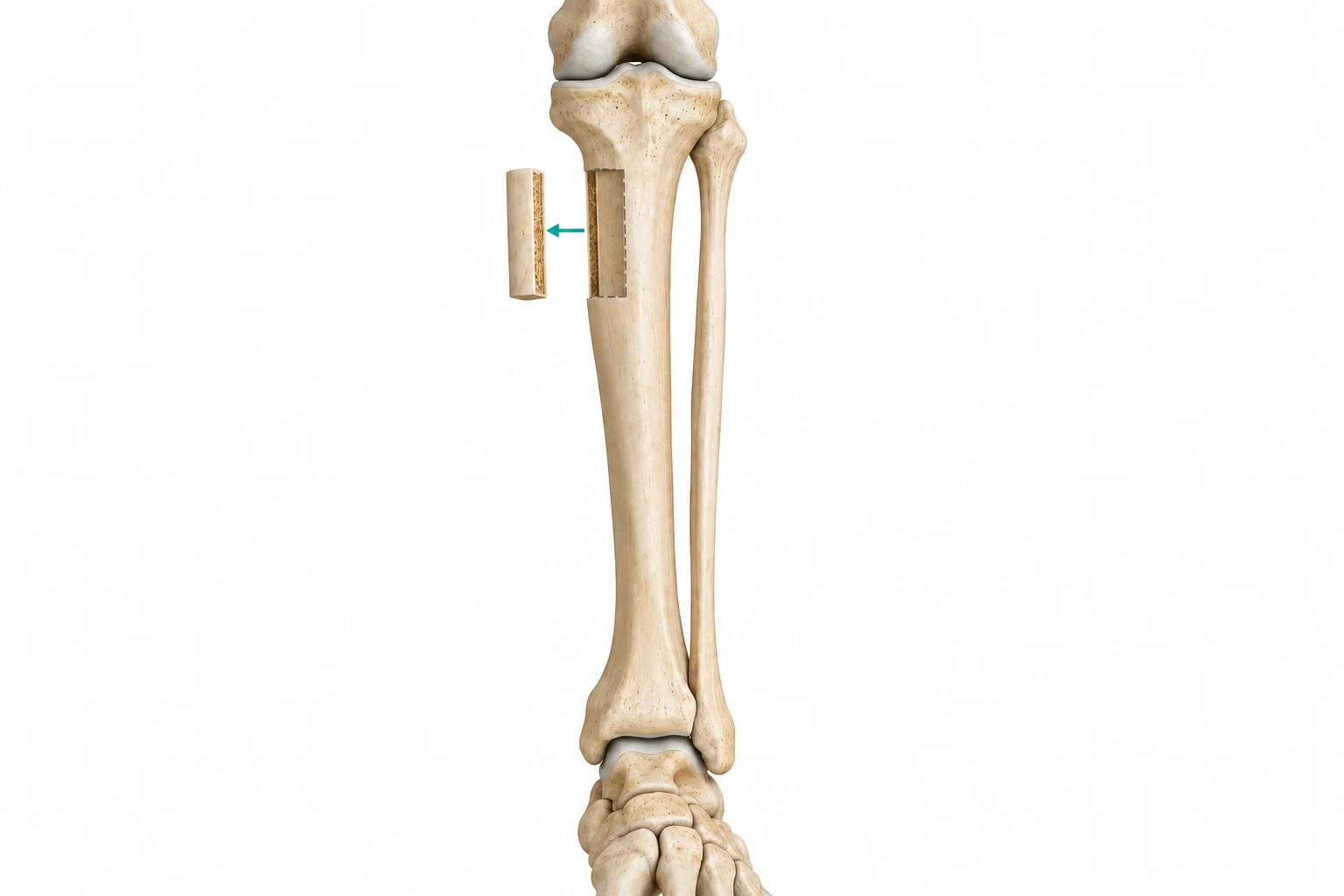
Published clinical research
TTT studies report outcomes in selected patients. Study limitations and accompanying care matter.
Explore TTTFibular Transverse Transport
Response Ortho®’s method describes transport of a segment of the fibula.
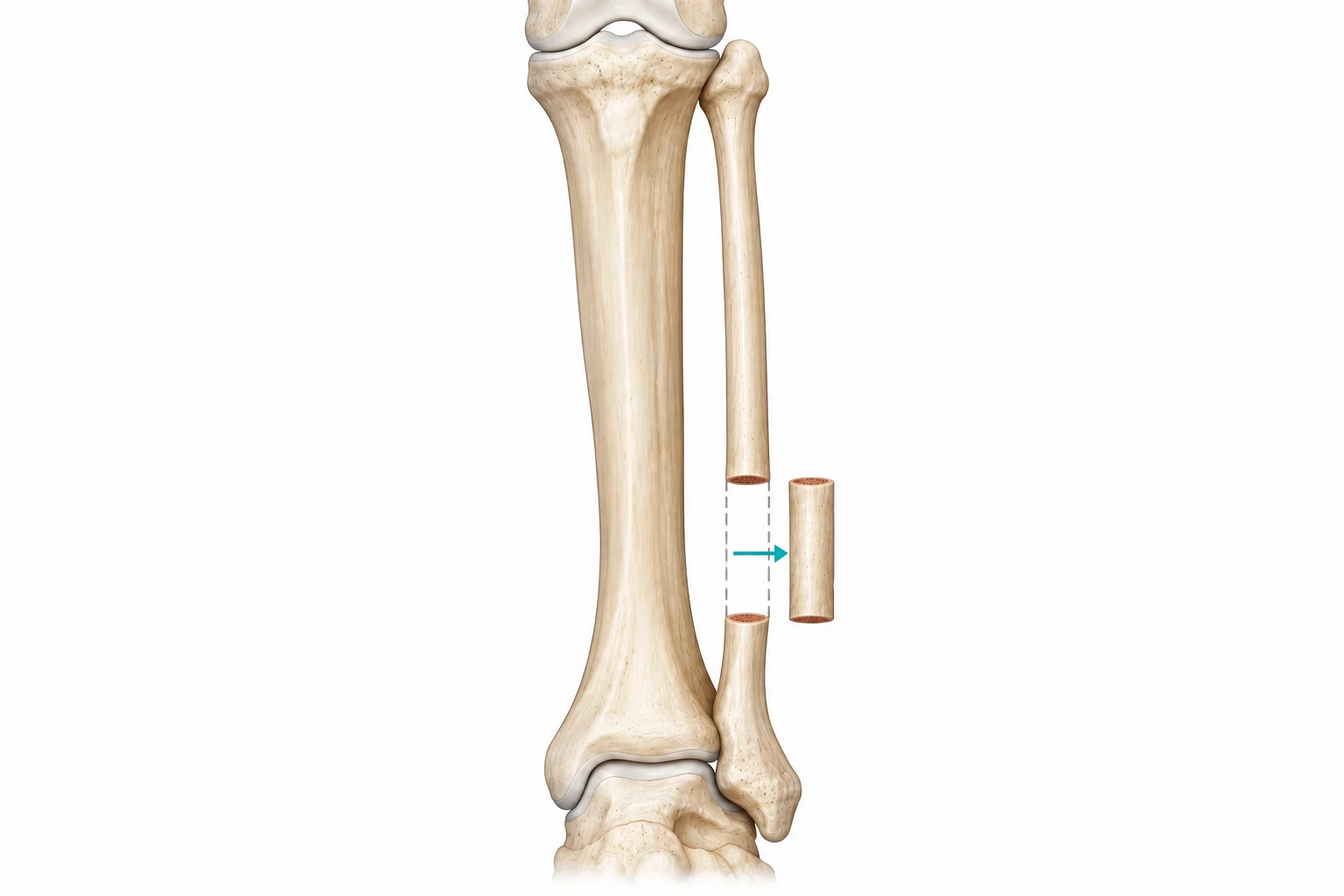
Patent-pending method · Response Ortho®
The patent description is not clinical evidence. TTT results must not be attributed to FTT.
Explore FTTIllustrative anatomy. TTT moves a proximal tibial cortical window; the described FTT moves a full distal-third fibular shaft segment of approximately 5 cm. Movement is exaggerated for clarity, not shown to scale. AI-generated medical illustrations, not surgical instructions.
The approach,
supported by technology.
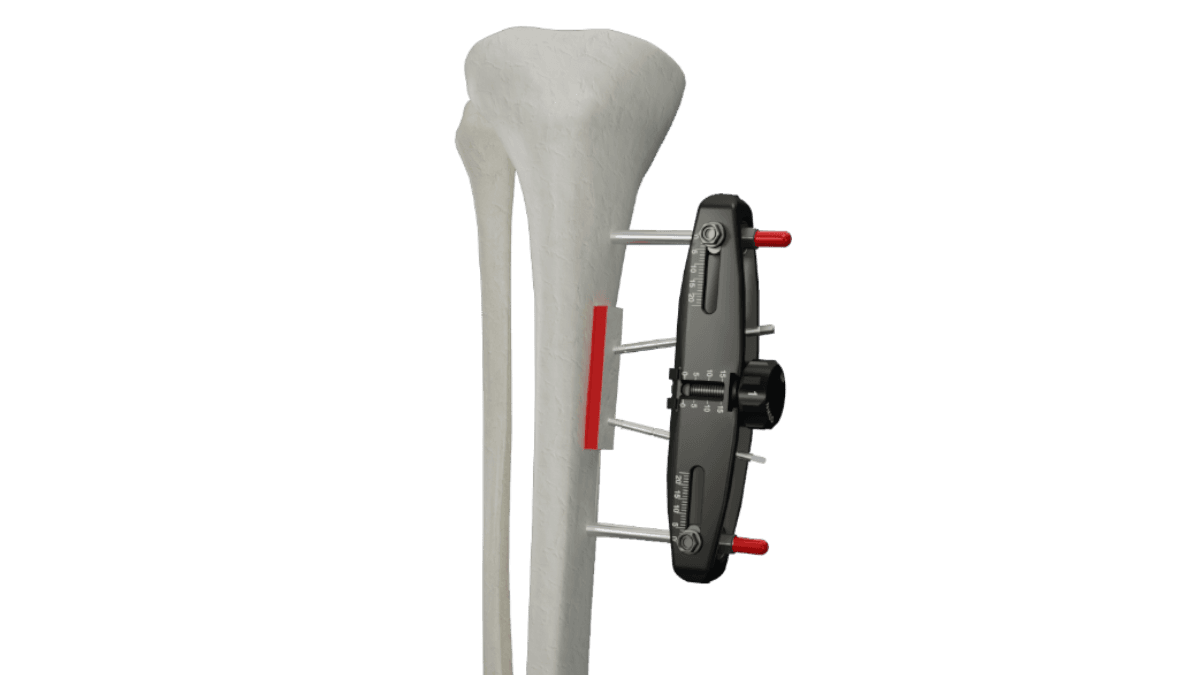
Meet MicroLift®.
Manufactured by Response Ortho®, MicroLift® provides a mechanical platform for controlled transverse bone transport within a physician-supervised treatment plan.
How MicroLift® is usedAvailability varies by market. Ask about current authorized use and product availability in your country. Safety & availability
Your treatment.
Step by step.
A treatment plan includes preparation, supervised transport and continued wound care. Your team sets your individual timetable.
Assessment
Understand the wound, circulation, infection and your treatment options.
Surgery & recovery
The surgeon prepares the bone segment and applies the device.
Controlled transport
Distraction and return or compression follow your prescribed plan.
Removal & follow-up
The reference TTT protocol plans removal two weeks after compression ends, subject to assessment.
Evidence deserves
a closer look.
Published research, clinical judgment and product information answer different questions.
Review the clinical evidenceReported outcomes and complications
Hu et al. · 2023 · TTT systematic review
A broader view of the published research
2025 · TTT systematic review
These publications are technique evidence. They are not MicroLift®-specific success rates or evidence of FTT outcomes.
Good questions.
A clearer next step.
Start here, then bring your questions to the people caring for you.
Your treatment discussion guideWhy is my ulcer not healing?
Pressure, circulation, infection and overall health can all play a part. Your care team can investigate the factors affecting your wound.
Read moreCan an amputation always be avoided?
No treatment can guarantee limb preservation. Sometimes amputation is necessary to manage infection or nonviable tissue and protect health. Ask your team about your individual options.
Read moreWhat is the difference between TTT and FTT?
TTT uses the tibia; FTT describes a fibular approach. Their shared biological rationale does not mean they have the same clinical evidence.
Read moreWhen is the device removed?
The supplied reference TTT protocol plans removal two weeks after compression is completed. Your team confirms the timing; this is not automatically an FTT schedule.
Read moreIs MicroLift® available in my country?
Availability and permitted use vary by country. Ask Response Ortho® about local availability and discuss the current device labeling with your physician.
Read moreYou don’t have to
navigate this alone.
Talk to your care team about your wound and your options. For product availability, Response Ortho® can help you find the right information.